The 10-Year Treasury Yield is a crucial benchmark for investors navigating market volatility. As the interest rate on a 10-year US Treasury bond, it serves as a gauge for borrowing costs and a reflection of investor sentiment. With market fluctuations impacting portfolio values, understanding the 10-Year Treasury Yield is essential for making informed decisions.
Historical Context: The 10-Year Treasury Yield Timeline
Reviewing historical data, we see that the 10-Year Treasury Yield has varied significantly over the years. The yield has trended upward from the lows of 2020, influenced by rising inflation expectations and monetary policy decisions. This volatility underscores the importance of staying informed about market developments. For instance, during periods of high inflation, investors may turn to Treasury bonds as a relatively safe-haven asset, driving up demand and pushing yields lower.
The 10-Year Treasury Yield fluctuates in response to changes in interest rates and investor sentiment.- The current yield reflects a balance between inflation expectations, economic growth, and monetary policy.
- Historical highs and lows may serve as reference points for understanding market dynamics.
Key Considerations for Informed Decision-Making
When navigating market volatility, consider the implications of the 10-Year Treasury Yield on your investments. Rising yields typically indicate increased borrowing costs, which can impact the value of existing bonds and other fixed-income securities. Conversely, falling yields often signal declining inflation expectations or a decrease in interest rates, potentially benefiting bond holders.

- Rising yields may increase costs for companies with high debt levels.
- Falling yields can boost the value of existing bonds.
Practical Strategies for Managing Market Volatility
Mastering market volatility requires a thoughtful approach to portfolio management. By understanding the implications of the 10-Year Treasury Yield, you can make more informed decisions about your investments. Consider diversifying your portfolio to reduce exposure to specific sectors or asset classes, and regularly review your investment strategy to ensure it remains aligned with your goals.
Evaluating Your Portfolio: A Step-by-Step Guide
Review your portfolio to identify areas of exposure to market volatility. Consider the sector and asset class composition, as well as any bonds or fixed-income securities that may be impacted by changes in the 10-Year Treasury Yield. A well-diversified portfolio will be better equipped to weather market fluctuations.
- Monitor the 10-Year Treasury Yield to stay informed about market trends.
- Evaluate your portfolio's exposure to market volatility.
- Consider diversifying your portfolio to reduce risk.
Conclusion
Mastering market volatility with the 10-Year Treasury Yield requires a deep understanding of the underlying market dynamics. By staying informed, considering key implications, and implementing practical strategies, you can make more informed decisions about your investments. Remember, market fluctuations are a natural part of investing – a well-prepared portfolio will be better equipped to navigate the ups and downs of the market.
Microsoft Power Automate Utilisation – VIWQN
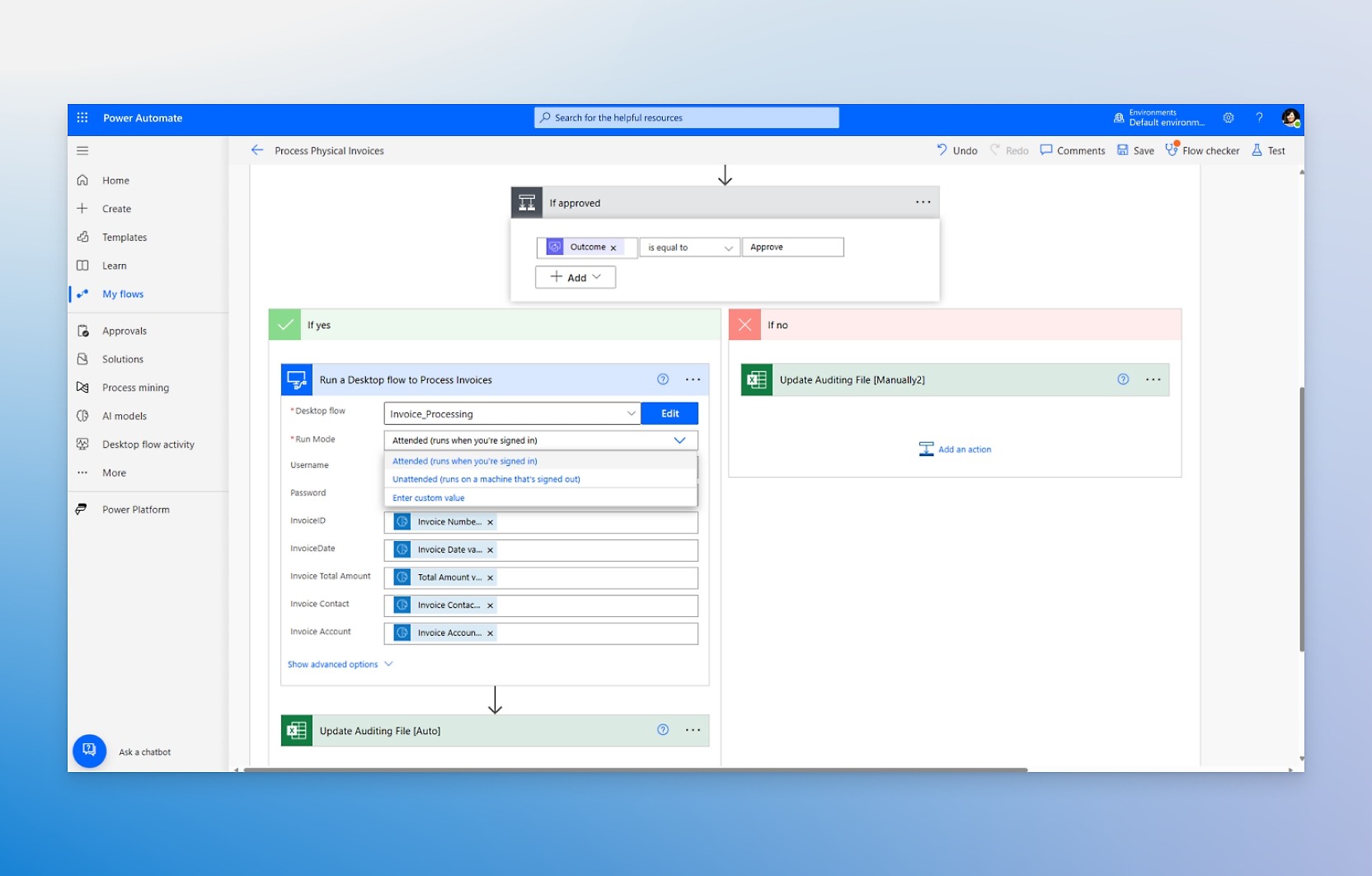
Microsoft Power Automate Utilisation – VIWQN
Power Automate Free _ Microsoft Power Automate Gratuit – GTUBM
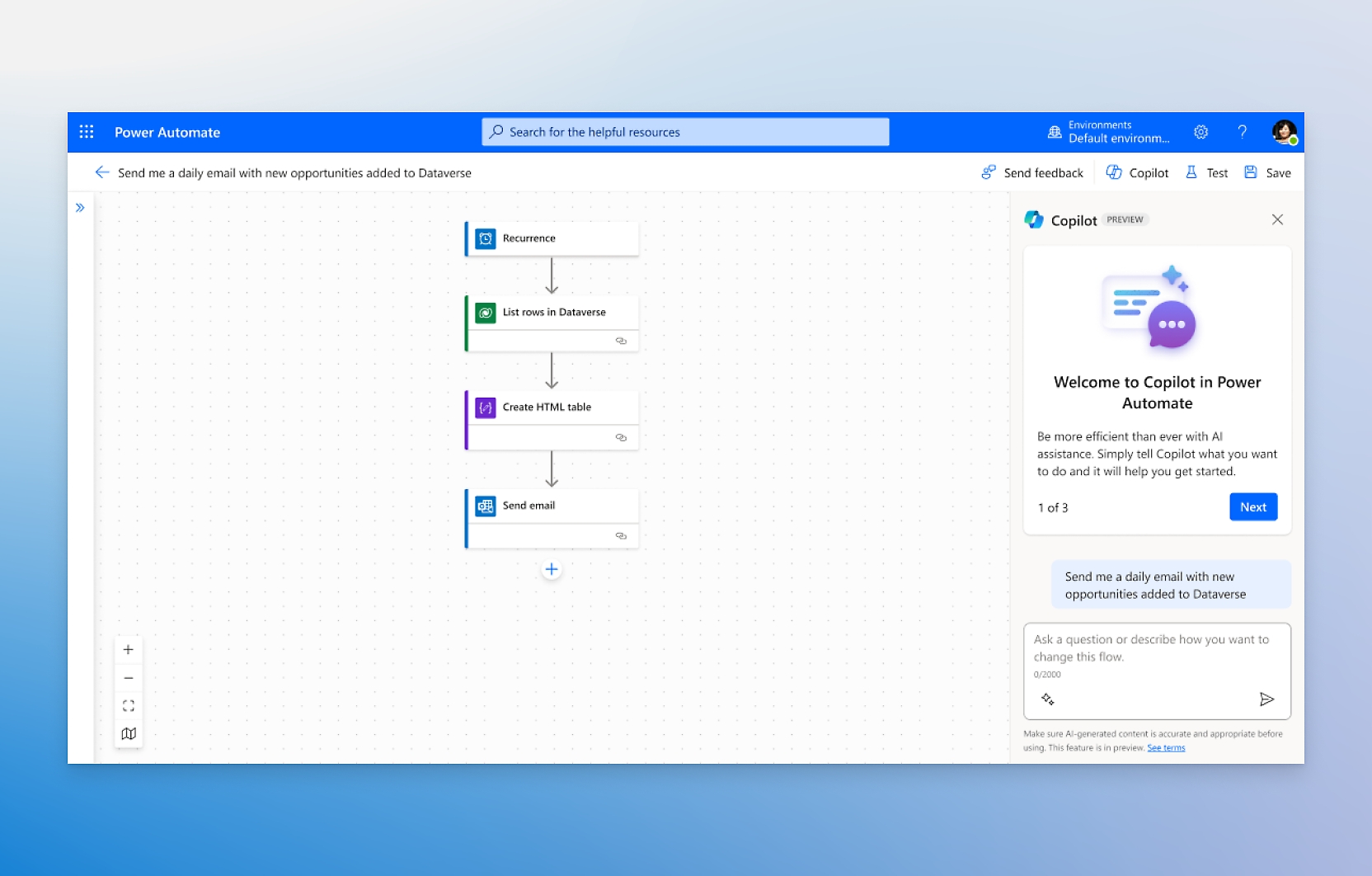
Power Automate Free _ Microsoft Power Automate Gratuit – GTUBM
Microsoft Power Automate Software Reviews, Demo & Pricing - 2024
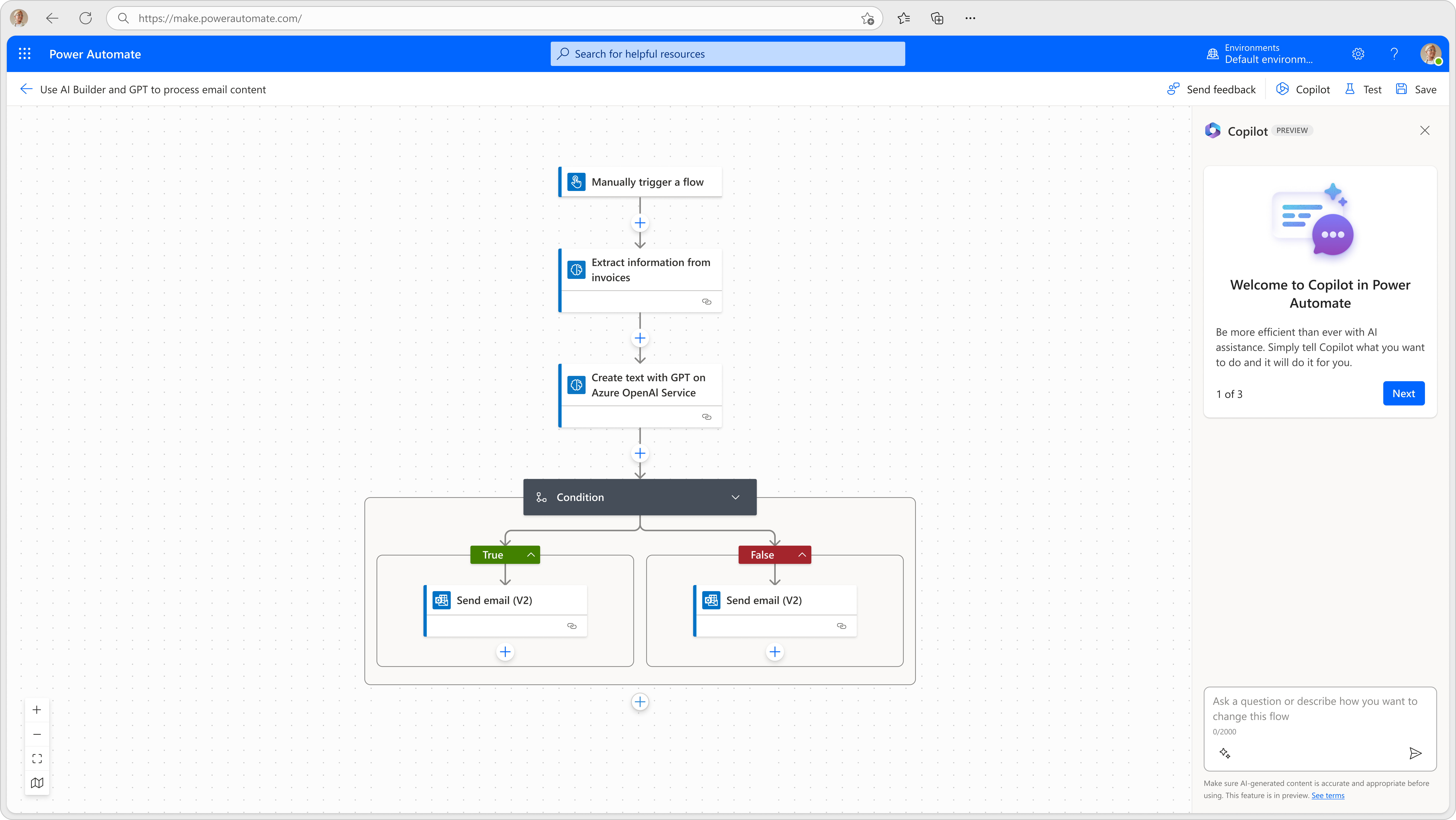
Microsoft Power Automate Software Reviews, Demo & Pricing - 2024
Microsoft Power Automate Features - Free Word Template
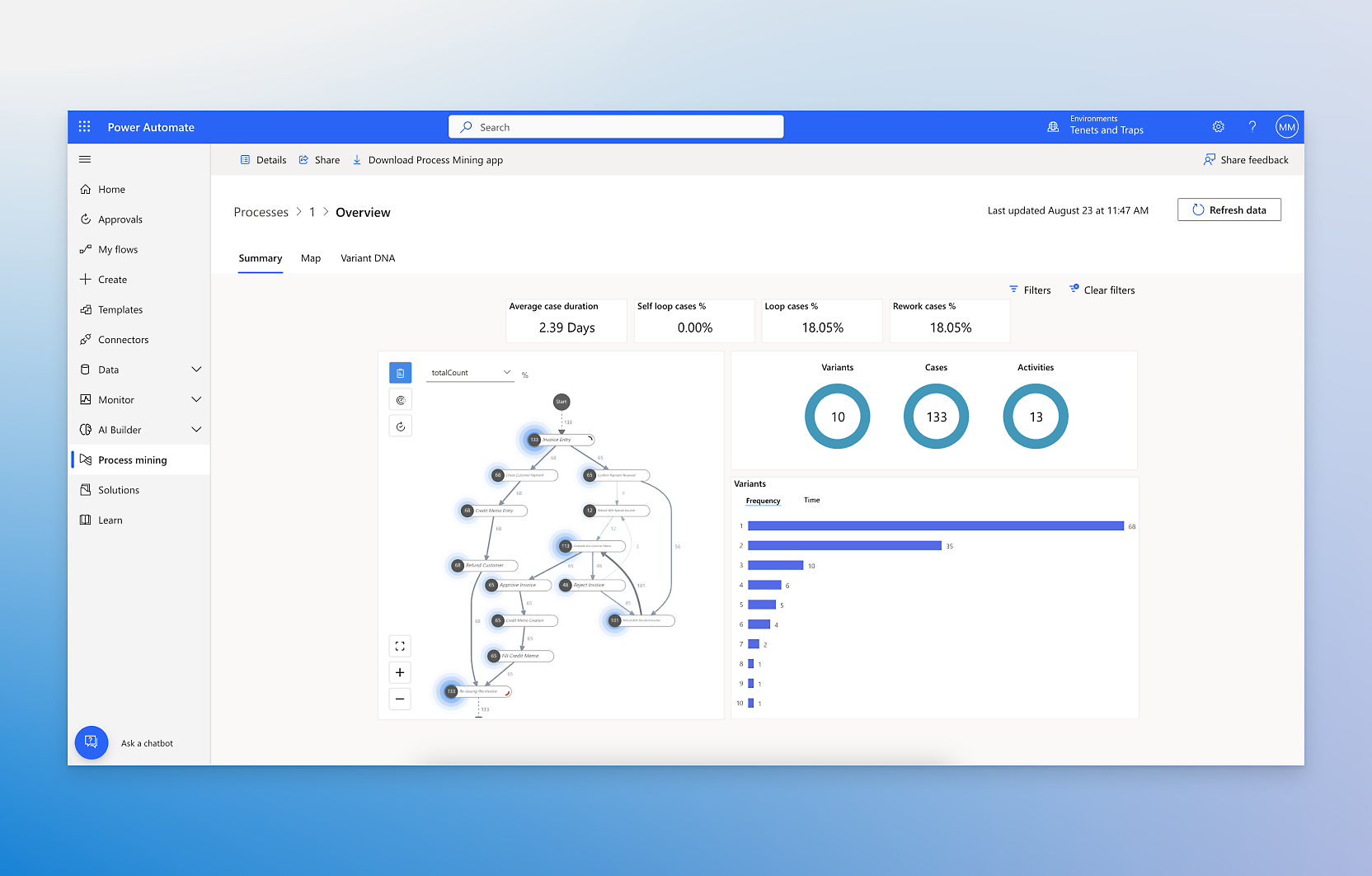
Microsoft Power Automate Features - Free Word Template
Power Automate Send Email V2 From Send As - Templates Sample Printables

Power Automate Send Email V2 From Send As - Templates Sample Printables