Keeping your driver’s license address current isn’t just a bureaucratic detail—it's a legal safeguard that protects you from missed notices, voting irregularities, and insurance complications. The California Department of Motor Vehicles (DMV) makes the update process straightforward, and with the right approach you can file your change quickly and avoid common pitfalls.
Why does the DMV require an address update?
The DMV ties your license to a residential address for several reasons. First, it ensures that official communications, such as registration renewals and traffic citations, reach you promptly. Second, California law mandates that drivers report any change of residence within 10 days, a rule that helps maintain accurate statewide driving statistics and supports law‑enforcement efforts. Finally, insurers often cross‑check DMV records when setting premiums; an outdated address can lead to unexpected rate adjustments.
How can you update your address online, by mail, or in person?
Most Californians choose the online route because it’s available 24 hours a day and eliminates the need for paper forms. The DMV’s website walks you through a short questionnaire, validates your new address against postal standards, and instantly updates the record.
If you prefer a paper trail, the Change of Address (DMV 14) form can be downloaded, filled out, and mailed to the address printed on the form. This method is useful for seniors or anyone without reliable internet access.
Visiting a local DMV office remains an option for those who need immediate confirmation or have other paperwork to handle, such as a driver’s license renewal. When you go in person, bring a government‑issued ID and proof of your new residence—utility bills, lease agreements, or a recent bank statement are accepted.
What documents and fees should you prepare?
- Proof of new residence: A recent utility bill, rental agreement, or bank statement dated within the last 90 days.
- Current driver’s license (or ID card) to confirm identity.
- DMV 14 form (if filing by mail) or a completed online profile.
- Payment: No fee is charged for a simple address change, but a new license or ID card—if you want the updated address printed—costs $35 for a license and $30 for an ID.
Having these items ready reduces wait times, especially at busy service centers.
When will the change take effect and how can you verify it?
Online submissions are processed within 24‑48 hours, while mailed forms may require up to three weeks. After the update, the DMV sends a confirmation letter to your new address. To double‑check, log into your DMV account or request a printable “Vehicle Registration Card” that reflects the updated residence.
What steps should you take right after updating?
- Check your email or mailbox for the DMV confirmation; keep it for your records.
- Update the address on related documents—car insurance, voter registration, and any vehicle registration renewal notices.
- If you opted for a new license or ID, schedule a pickup or request mailing within the next 30 days.
By following these expert tips, the California DMV address change becomes a quick, hassle‑free task that keeps your driving records accurate and your everyday life uninterrupted.
California State Map | USA | Detailed Maps Of California (CA)
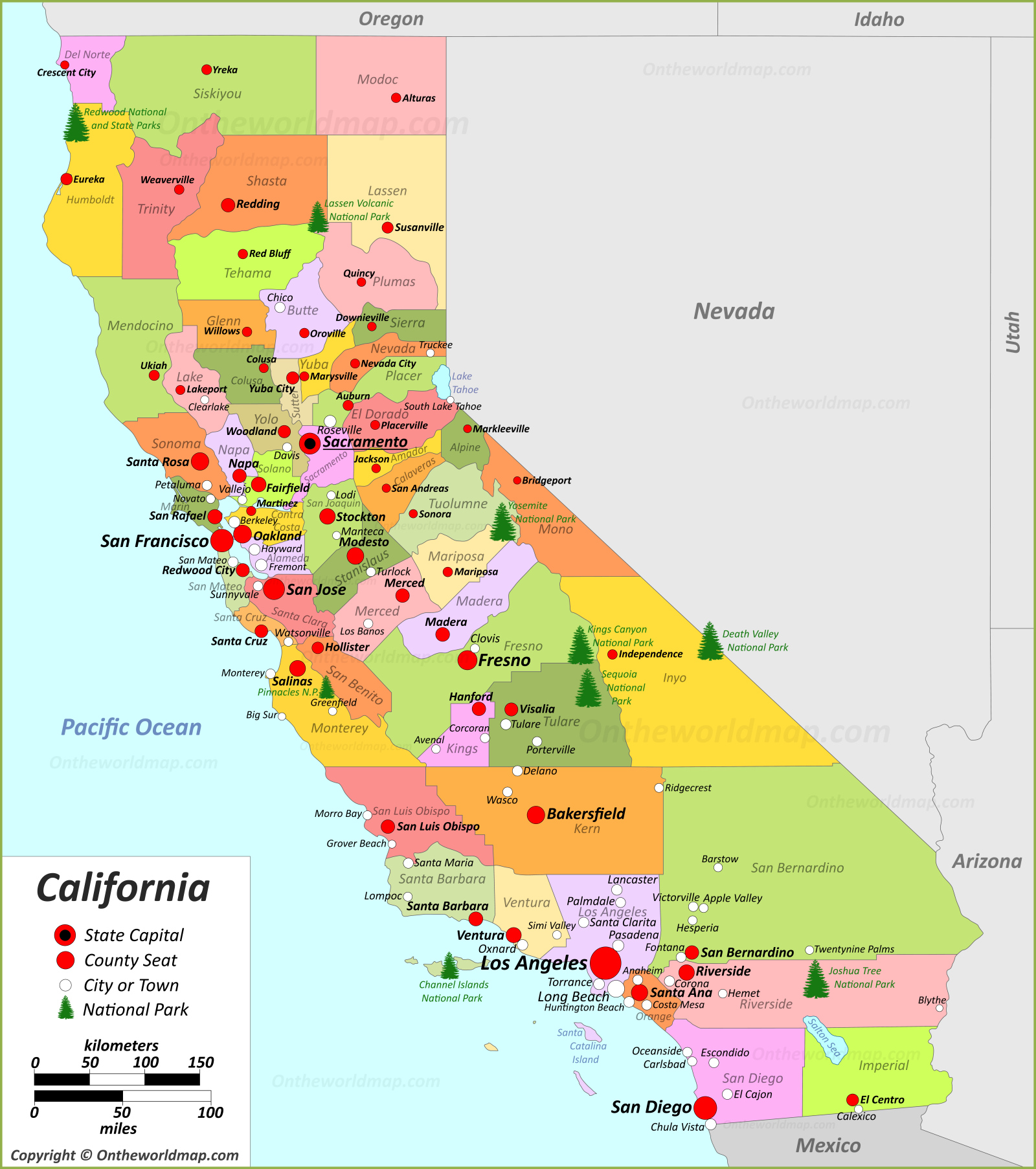
California State Map | USA | Detailed Maps of California (CA)
Large Detailed Map Of California With Cities And Towns
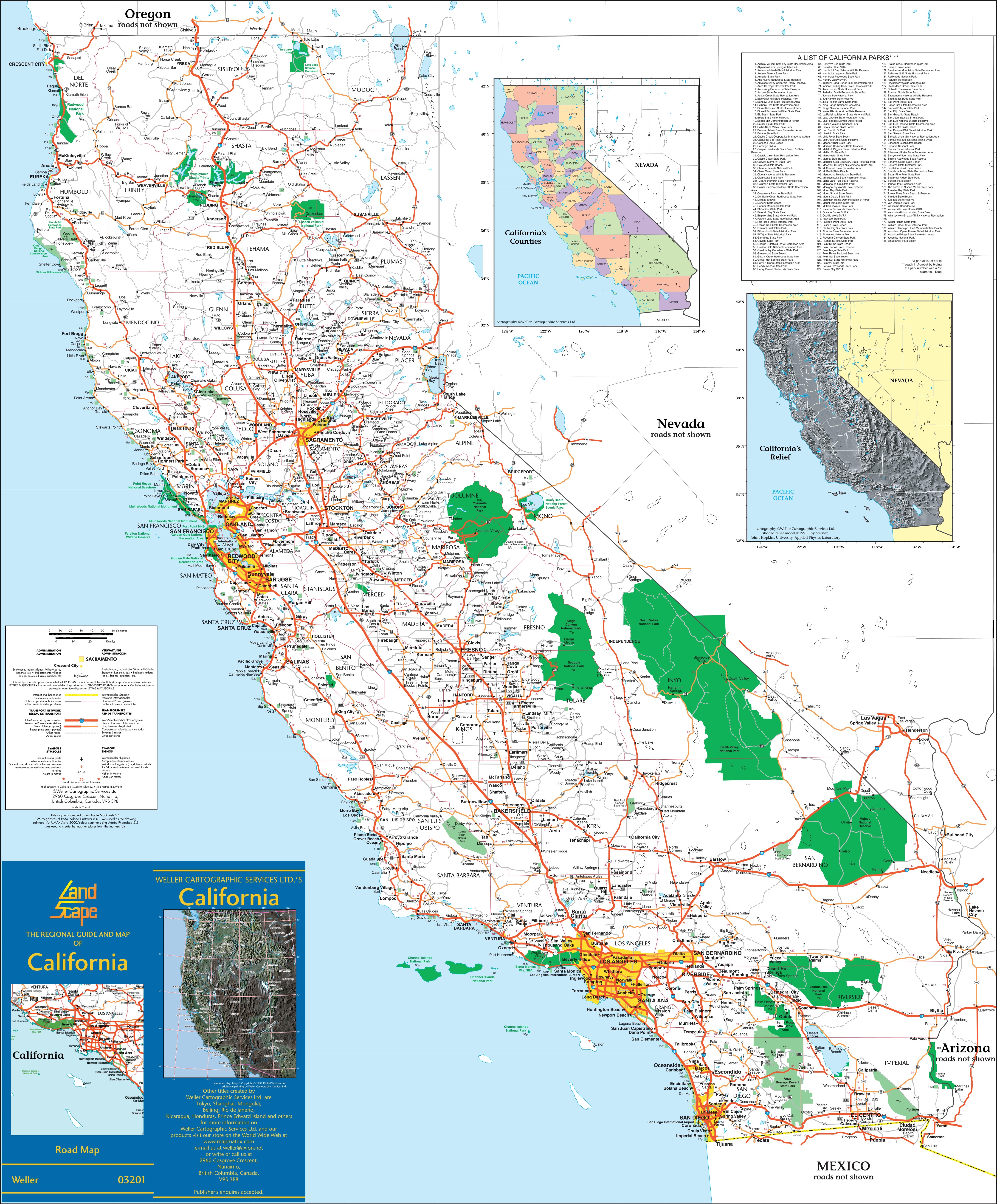
Large detailed map of California with cities and towns
Large California Maps For Free Download And Print | High-Resolution And
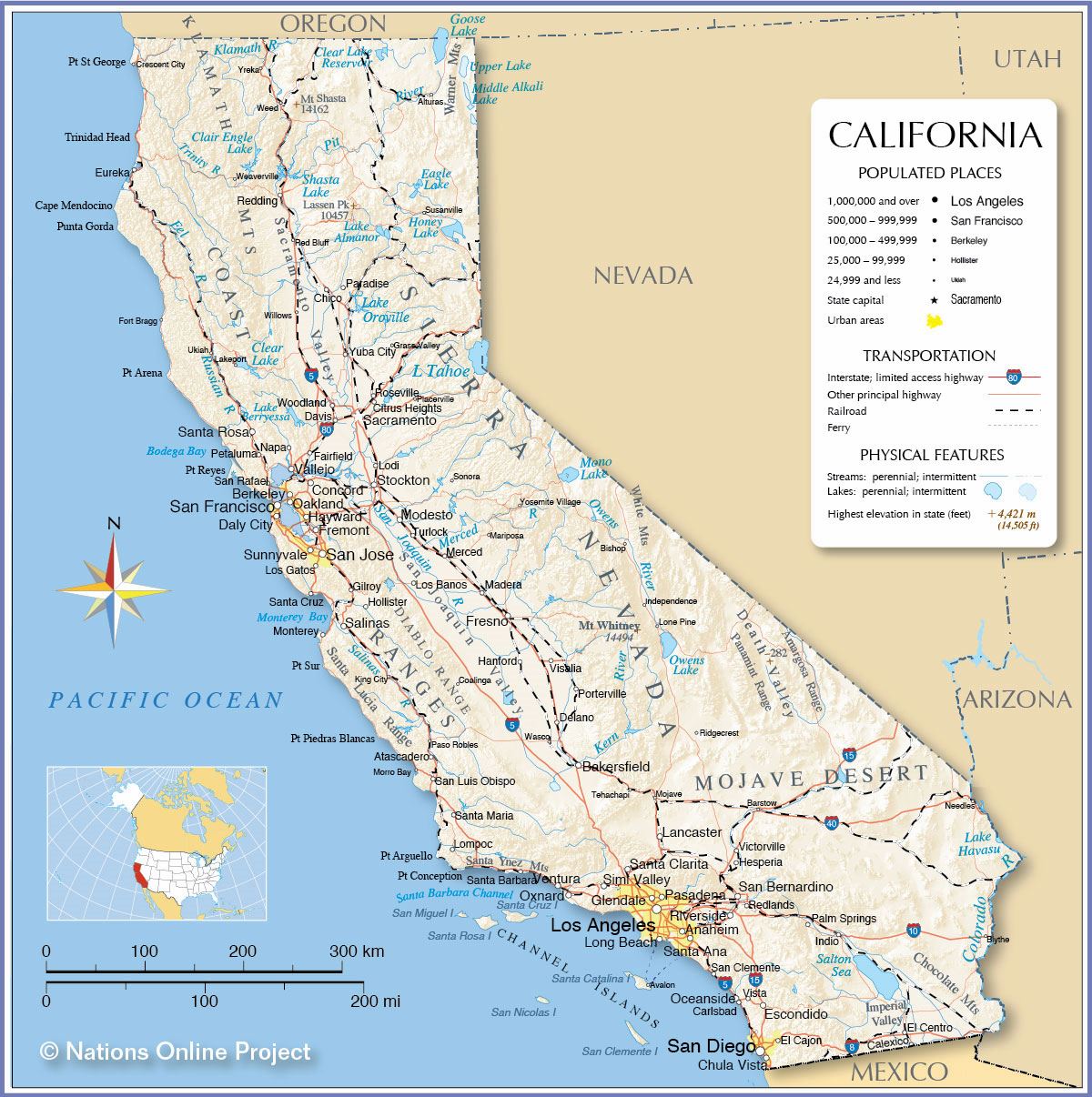
Large California Maps for Free Download and Print | High-Resolution and ...