For many, solving crosswords is a hobby that requires patience, persistence, and a keen mind. However, some individuals have mastered the art of cracking New York Post crosswords in minutes, leaving others to wonder about the psychology behind their exceptional skills. The ability to swiftly and accurately complete crosswords is not just about being intelligent or knowledgeable, but also about understanding the cognitive processes involved in solving puzzles. With the rise of brain-training apps and games, the interest in cognitive psychology and its applications has grown significantly, making the psychology behind crossword solving a timely and fascinating topic.
Understanding the Cognitive Processes
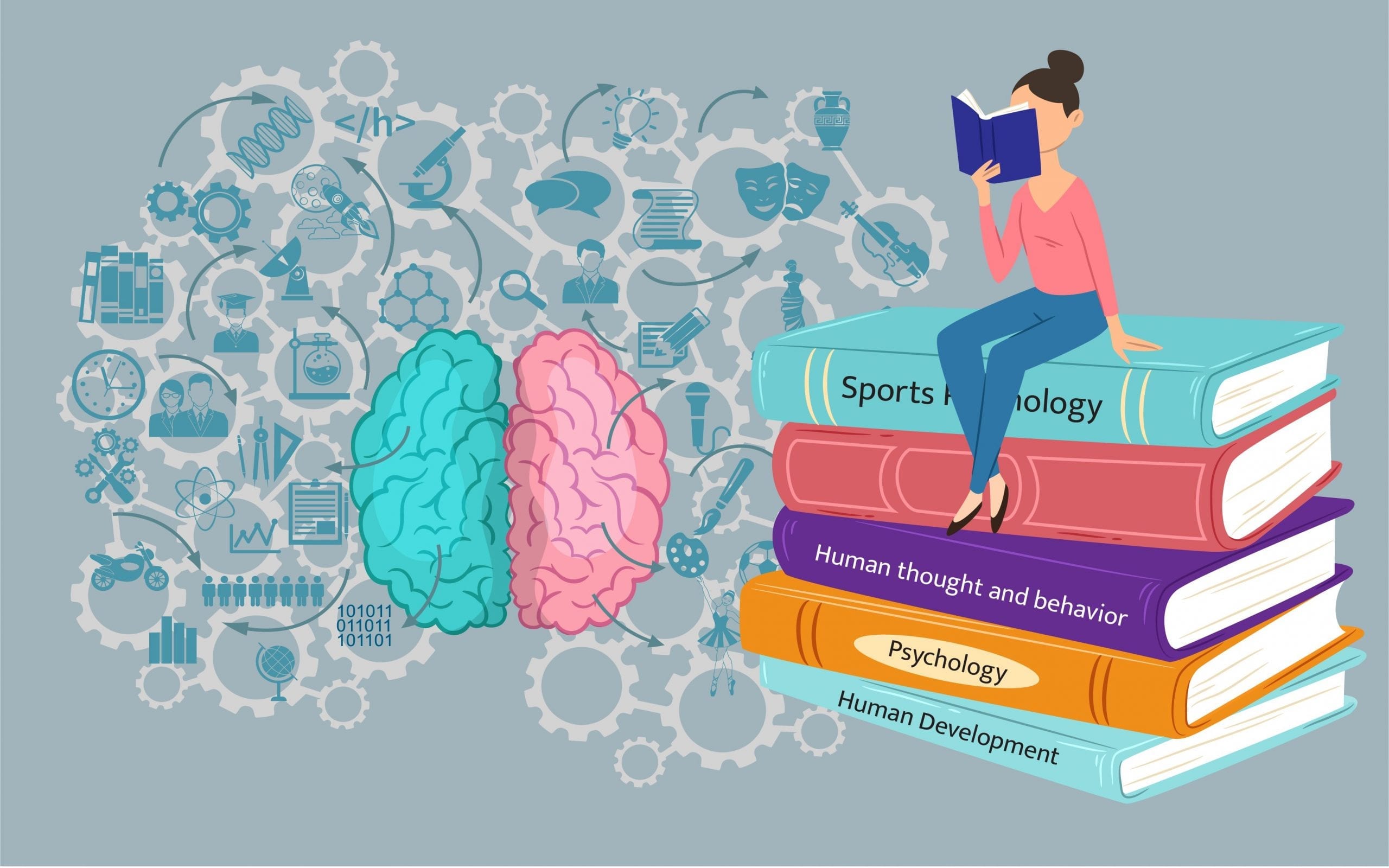
The psychology behind cracking crosswords in minutes involves a deep understanding of cognitive processes such as attention, memory, and problem-solving. Skilled solvers are able to focus their attention on the clues and the grid, filtering out irrelevant information and maintaining a high level of concentration. They also possess an exceptional memory, which enables them to recall words, definitions, and patterns quickly and accurately. Furthermore, they are adept at using reasoning and logic to solve clues, often relying on wordplay, puns, and other linguistic tricks to decipher the answers.
The Role of Practice and Experience
While cognitive abilities play a significant role in crossword solving, practice and experience are equally important. Regular solvers develop a sense of familiarity with the grid patterns, clue types, and vocabulary used in crosswords. They learn to recognize common themes, word lists, and puzzle structures, which enables them to solve crosswords more efficiently. Experienced solvers also develop strategies and techniques, such as starting with easy clues, using word lists, and working in a specific order, to help them complete the puzzle quickly and accurately.
Implications and Applications
The psychology behind cracking crosswords in minutes has implications beyond the realm of puzzle solving. The cognitive skills and strategies used in crossword solving can be applied to other areas of life, such as learning new languages, solving complex problems, and improving memory and attention. Additionally, the study of crossword solving can provide insights into the human brain and its ability to process information, making it a valuable area of research in cognitive psychology. As the popularity of crosswords and other brain-training activities continues to grow, understanding the psychology behind these activities can help individuals improve their cognitive skills and stay mentally active.

Conclusion
In conclusion, the psychology behind cracking New York Post crosswords in minutes is a complex and multifaceted topic that involves cognitive processes, practice, and experience. By understanding the psychological factors that contribute to exceptional crossword solving skills, individuals can improve their own cognitive abilities and develop strategies to solve puzzles more efficiently. Whether you are a seasoned solver or a beginner, the study of crossword psychology can provide valuable insights into the human brain and its incredible capabilities.
[100+] Psychology Backgrounds | Wallpapers.com
![[100+] Psychology Backgrounds | Wallpapers.com](https://wallpapers.com/images/hd/psychology-background-fsaqjait4yrvg630.jpg)
[100+] Psychology Backgrounds | Wallpapers.com
Biological Approach In Psychology: Brain-Behavior Connection Explained
Biological Approach in Psychology: Brain-Behavior Connection Explained
What Is Psychology? A Definition

What Is Psychology? A Definition