Common Mistakes to Avoid
When crafting policy briefs, it's easy to fall into common pitfalls. One of the most significant mistakes is failing to provide context. A good policy brief should start by setting the scene and explaining the relevant policy background. This helps readers understand the problem and its implications. To avoid this mistake, start your policy brief with a clear introduction that sets the scene and provides essential context. This could include a brief overview of the policy issue, its significance, and relevant stakeholders. The introduction should also include a concise problem statement and a clear objective for the brief.
Another common mistake is failing to organize information effectively. The brief should be easy to scan, with headings, subheadings, and bullet points that guide the reader through the content. A logical structure is essential, with each section building on the previous one to create a cohesive narrative.
To avoid this mistake, start your policy brief with a clear introduction that sets the scene and provides essential context. This could include a brief overview of the policy issue, its significance, and relevant stakeholders. The introduction should also include a concise problem statement and a clear objective for the brief.
Another common mistake is failing to organize information effectively. The brief should be easy to scan, with headings, subheadings, and bullet points that guide the reader through the content. A logical structure is essential, with each section building on the previous one to create a cohesive narrative.
Smarter Alternatives for Policy Briefs
While many people still use generic templates or rely on word processing software to create policy briefs, there are smarter alternatives available. Microsoft Word templates, in particular, offer a range of pre-designed templates specifically tailored for policy briefs. These templates include a standard format, with built-in headings, tables, and other features to help you create a professional-looking brief. Using a Word template can save you time and effort, as you don't have to start from scratch. You can focus on adding content and tailoring the template to your specific needs. With the right template, you can create a clear, concise, and engaging policy brief that effectively communicates your message. When selecting a Word template for your policy brief, look for one that includes the following features: * Clear headings and subheadings to break up the text * A logical structure, with sections and subsections * Bullet points and other formatting options to make the text easy to scan * A clean design that is free of clutter and unnecessary graphics * A standard font and font size to ensure readability By choosing the right Word template, you can create a policy brief that is both effective and efficient.Best Practices for Policy Briefs
In addition to avoiding common mistakes and using smarter alternatives, there are several best practices to keep in mind when crafting a policy brief. These include: * Clearly defining the problem and objective * Providing context and background information * Organizing information effectively * Using clear and concise language * Including visual elements, such as tables and figures * Proofreading carefully to ensure accuracy and clarity By following these best practices, you can create a policy brief that is engaging, persuasive, and effective in communicating your message.Craft Like A Pro: Crafting Tips & Tricks To Up Your DIY!

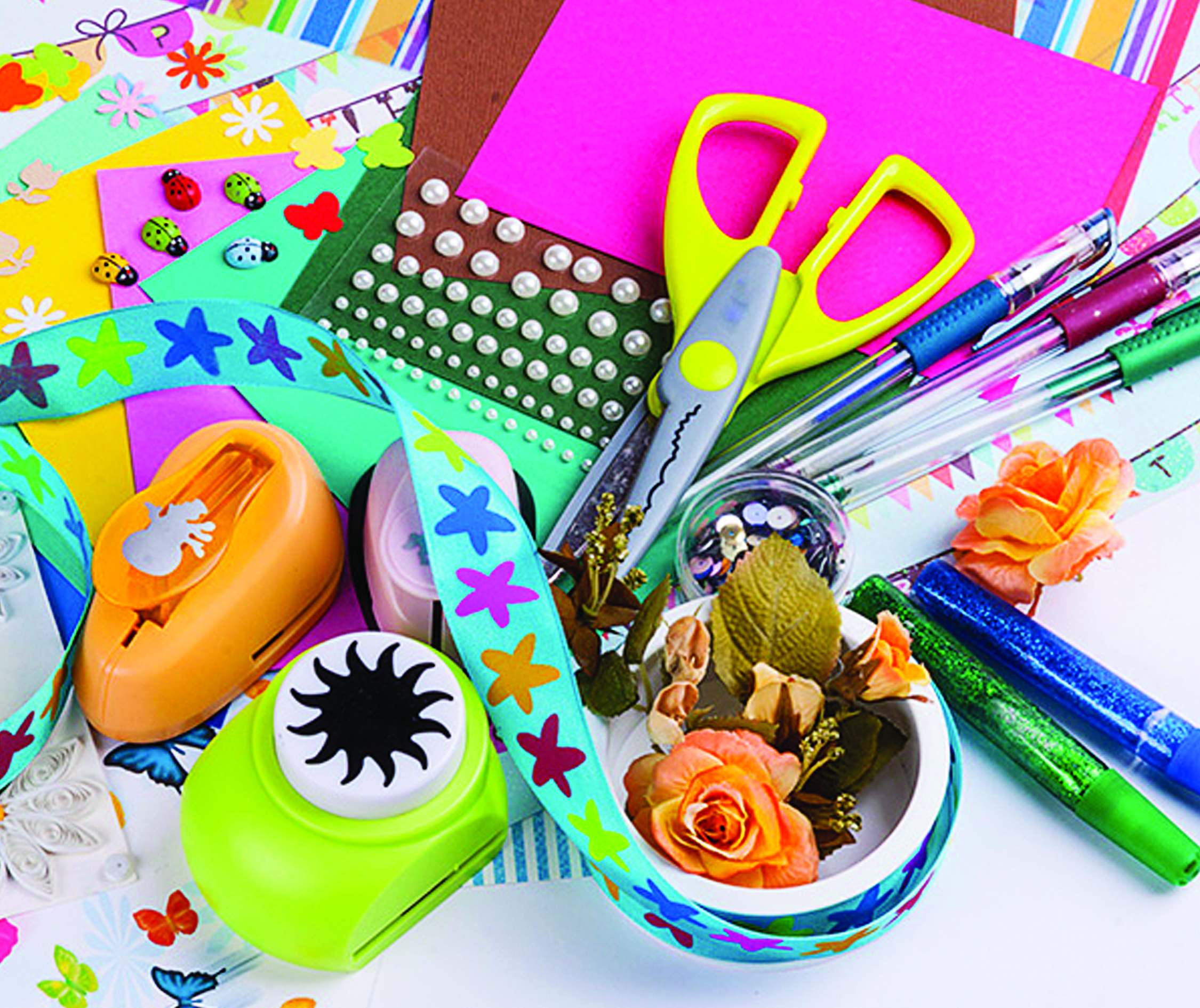
Craft Like a Pro: Crafting Tips & Tricks to Up Your DIY!
Create Room - Set Your Alarms! Our Mother’s Day Sale Starts Tomorrow At

Create Room - Set your alarms! Our Mother’s Day sale starts tomorrow at ...
Crafting Instant Digital Download Printable Wall Art Image Clipart PNG

Crafting Instant Digital Download Printable Wall Art Image Clipart PNG ...
Crafting : Download & Play Crafting And Building On PC & Mac (Emulator
Crafting : Download & Play Crafting and Building on PC & Mac (Emulator ...