Gardeners across the United States are turning to diatomaceous earth as a chemical‑free way to manage insects, and the trend is gaining attention in agricultural and horticulture courses that highlight sustainable practices. This fine powder, made from fossilized algae, offers a non‑toxic alternative to conventional pesticides, delivering immediate results while preserving beneficial insects.
Why diatomaceous earth matters for modern gardening
For beginners who want to protect vegetables, roses, or lawn grasses without risking health or the environment, diatomaceous earth presents a simple solution. Its abrasive particles cut through the exoskeletons of soft‑bodied pests such as aphids, slugs, and beetles, causing dehydration and death within hours. Because it contains no living chemicals, the material poses little risk to pets, children, or pollinators when applied correctly.
How to apply diatomaceous earth effectively
Successful use hinges on proper placement and timing. Follow these steps:
- Choose the right product. Look for food‑grade diatomaceous earth, which is safe for edible plants.
- Dry conditions are key. Apply when the soil and foliage are dry; moisture reduces its abrasive action.
- Use a dusting applicator. Lightly sprinkle the powder around the base of plants, on leaves, or directly onto soil where pests congregate.
- Reapply after rain or watering. The material can be washed away, so a fresh coating ensures continued protection.
- Combine with physical barriers. Pairing diatomaceous earth with row covers or copper tape enhances overall pest management.
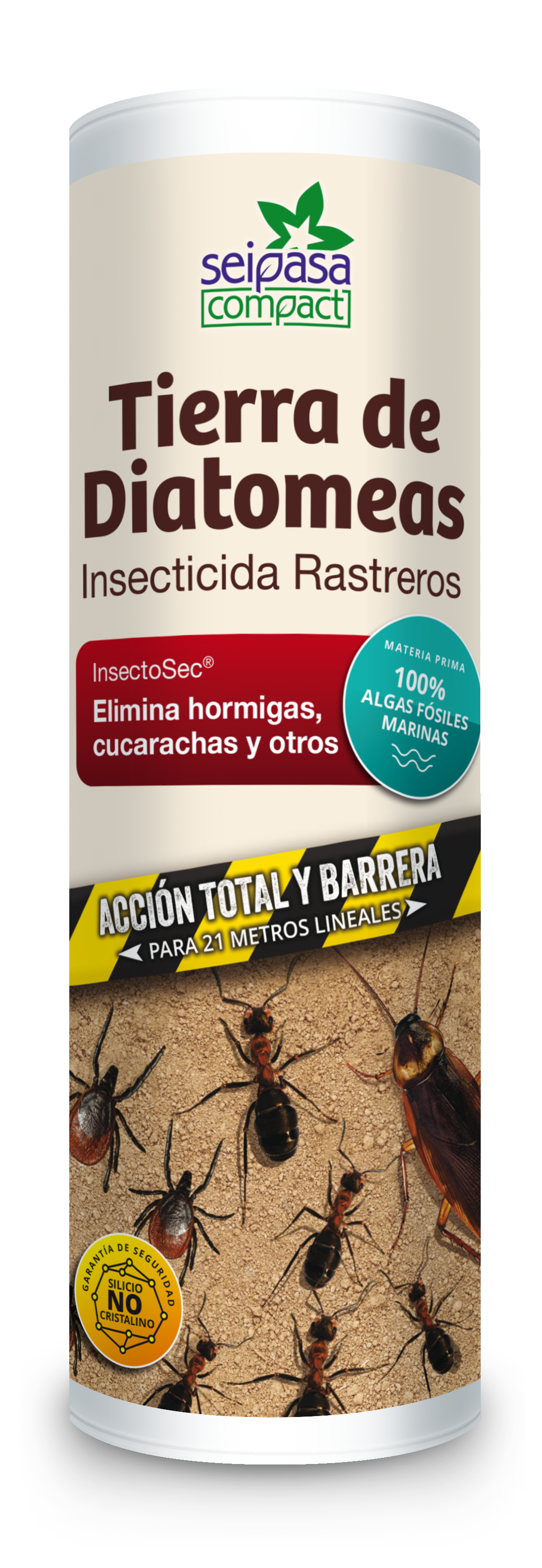
Safety considerations and common misconceptions
Although diatomaceous earth is safe for most garden uses, it is still a fine particulate. Wear a dust mask when handling large quantities to avoid respiratory irritation, and keep the powder out of direct contact with eyes. Some gardeners mistakenly think it harms beneficial insects; in reality, insects with hard exoskeletons—like bees and ladybugs—are largely unaffected, especially when the product is applied selectively.
Implications for academic programs
University curricula that focus on integrated pest management (IPM) are increasingly incorporating case studies on diatomaceous earth. Students learn to evaluate its efficacy alongside biological controls, assess environmental impact, and design field trials. Courses titled “Sustainable Horticulture” or “Urban Agriculture” at Kentucky University, for example, may include lab modules where learners compare diatomaceous earth to synthetic pesticides in real‑world garden plots.
Next steps for the curious beginner
If you’re ready to test diatomaceous earth in your own garden, start with a small area to gauge results. Document pest activity before and after application, and adjust the frequency based on weather conditions. For deeper knowledge, explore university‑offered workshops or online modules that delve into IPM strategies, ensuring you stay informed about both traditional and emerging pest‑control tools.