Cartography, the study and practice of mapping, has long been a crucial component in the expansion and domination of empires. Throughout history, maps have been used to mark territories, identify resources, and plan military campaigns, making Cartography Served As A Tool For Imperialism Throughout History a significant aspect of global politics. The intersection of cartography and imperialism is complex, with maps often serving as tools for both exploration and exploitation. As empires rose and fell, their maps reflected not only the geographic extent of their power but also the social, economic, and cultural biases of their time.
Context of Imperial Cartography
The use of cartography as a tool for imperialism is rooted in the early days of exploration and colonization. European powers, in particular, relied heavily on maps to navigate, claim, and govern their overseas territories. Maps were used to identify potential trade routes, natural resources, and strategic locations for military outposts. 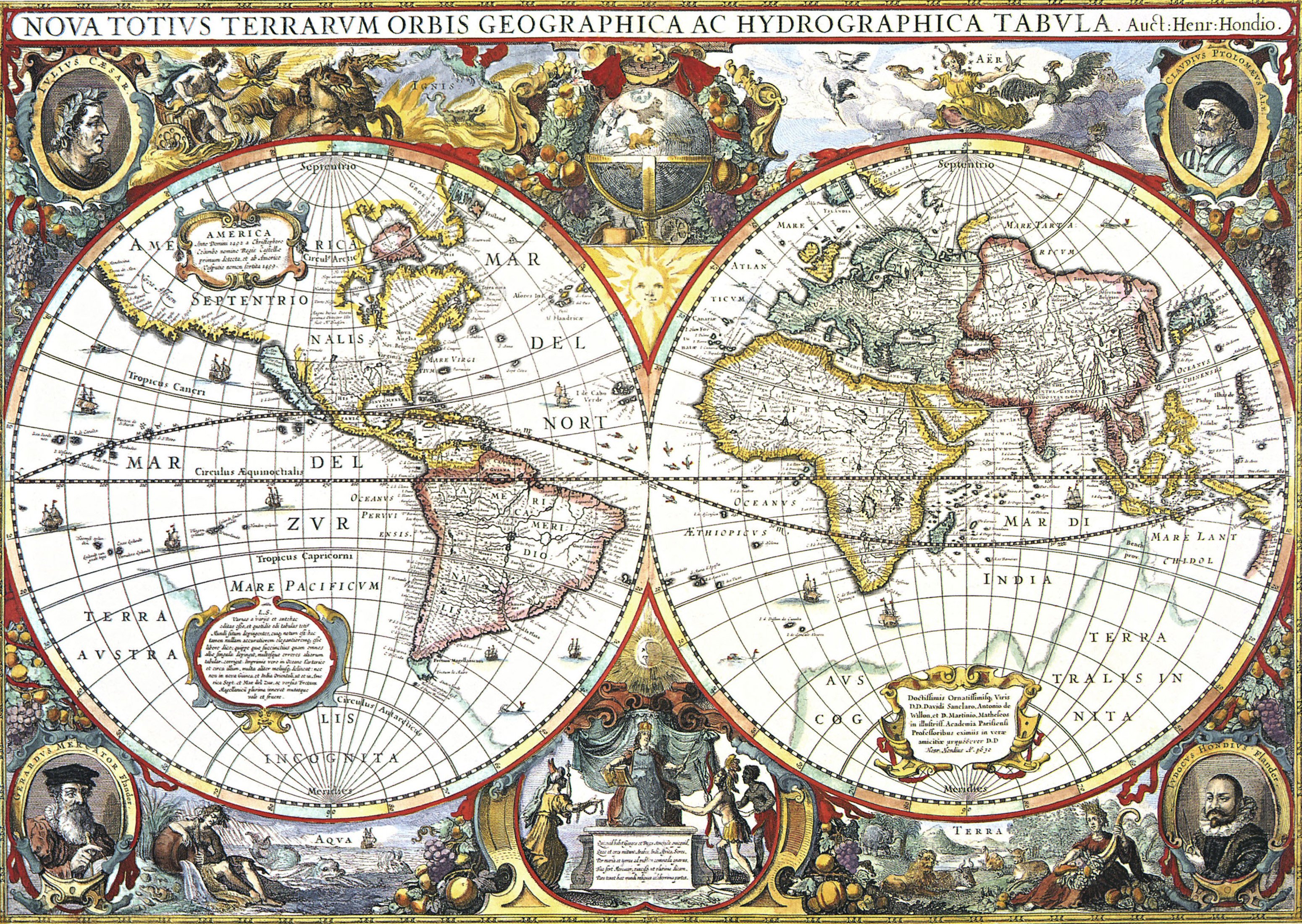
Details of Cartographic Imperialism
The details of how cartography served imperialism are multifaceted. Maps were not just passive reflections of territorial claims; they were active instruments used to legitimatize domination. By mapping the territories they sought to control, imperial powers could project an image of order and civilization onto what they perceived as chaotic or uncivilized lands. This projection was often accompanied by the erasure of indigenous mapping traditions and the imposition of European cartographic standards. 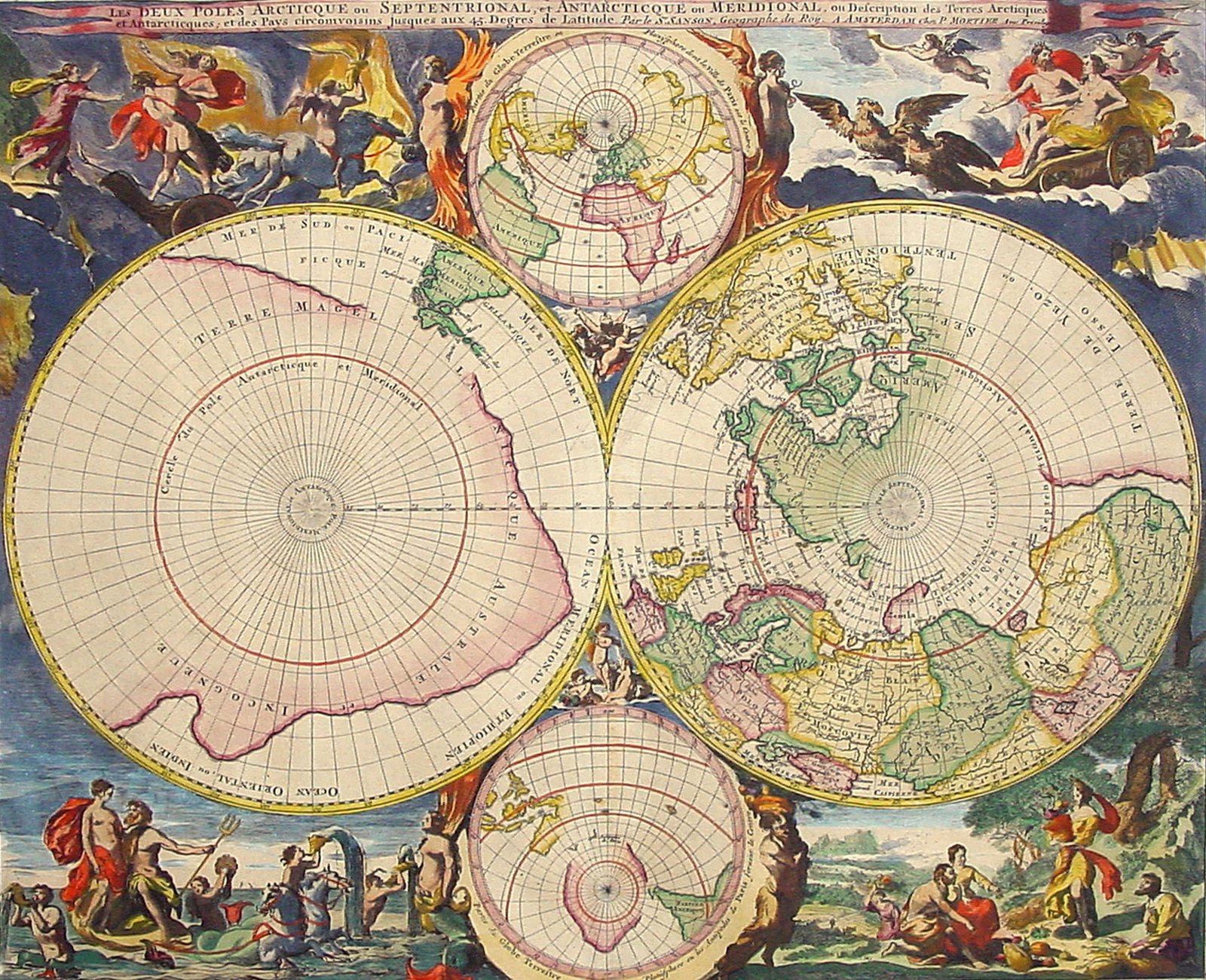
Implications of Cartographic Imperialism
The implications of cartography serving as a tool for imperialism are profound and far-reaching. The legacy of imperial cartography can be seen in contemporary border disputes, territorial claims, and the ongoing impacts of colonialism on indigenous communities. Understanding the historical role of cartography in imperialism provides a critical perspective on how maps have shaped, and continue to shape, our world. It also underscores the importance of considering the social, political, and economic contexts in which maps are created and used. By recognizing the power of cartography, we can work towards a more inclusive and equitable representation of the world, one that respects the diversity of human experience and the complexity of our shared history.
Cartography And Map Making, Featuring Elements Like Maps, Compasses

Cartography and Map Making, Featuring Elements Like Maps, Compasses ...
Cartography Wallpapers - Wallpaper Cave
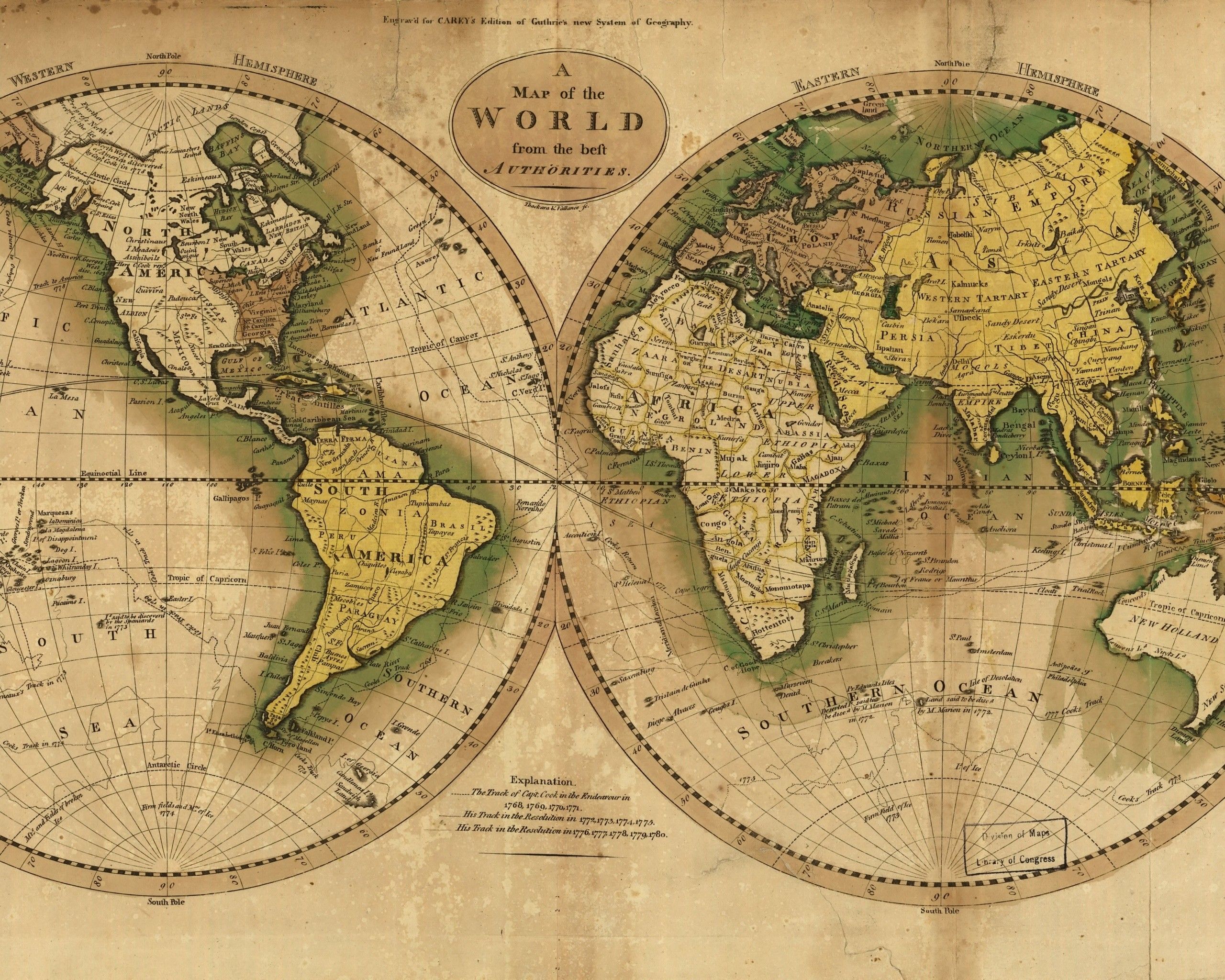
Cartography Wallpapers - Wallpaper Cave
Antique Maps
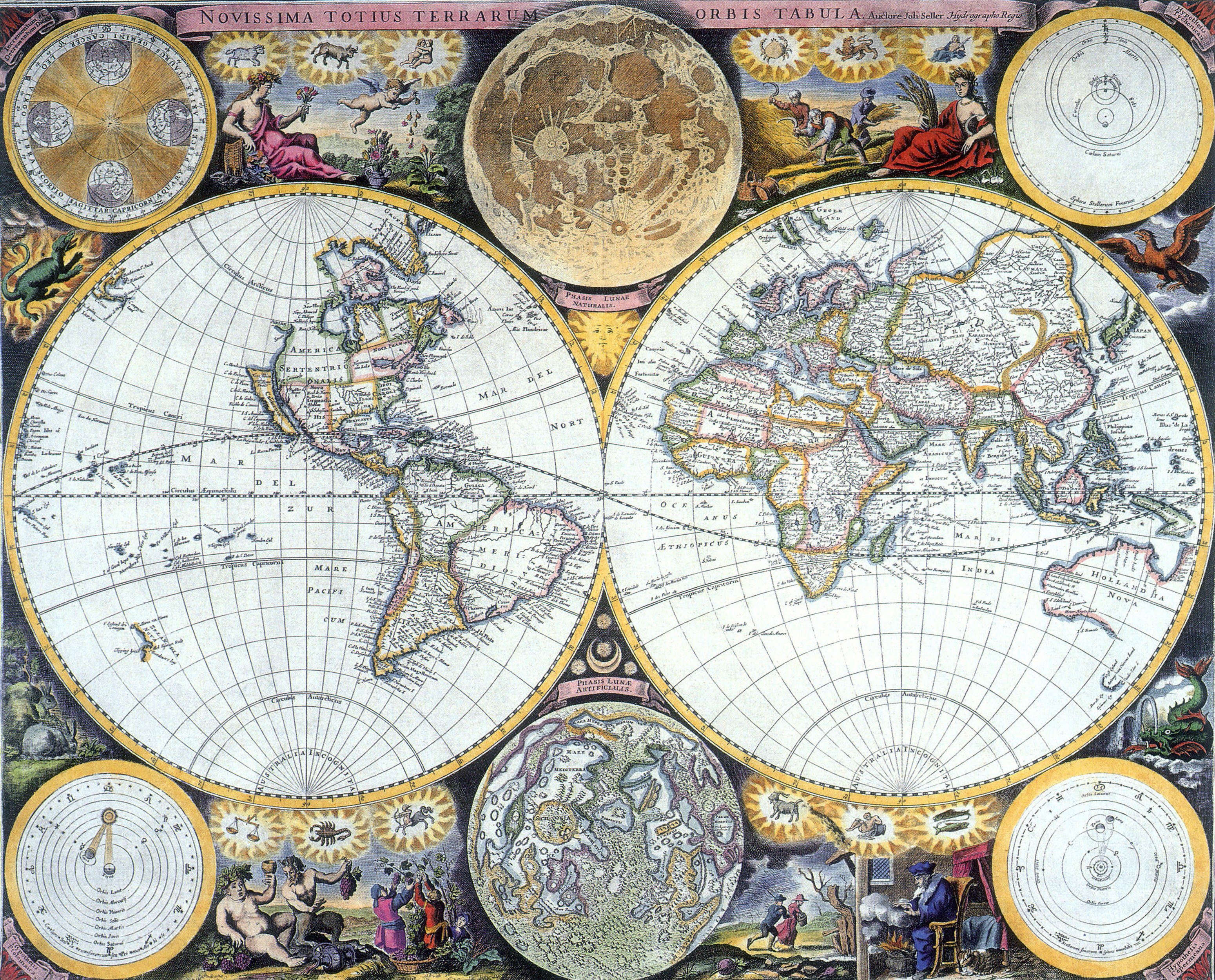
Antique Maps