Understanding Co Peaking is crucial for those venturing into high-altitude activities. Also known as "altitude sickness," it's a common condition caused by the lower oxygen levels at high elevations. This guide will walk you through the basics, signs, and solutions for Co Peaking, helping you stay safe and healthy during your high-altitude adventures.
What is Co Peaking?
Co Peaking occurs when the body cannot adapt to the lower air pressure and oxygen levels at high altitudes. This results in a buildup of fluid in the lungs, brain, and other organs, leading to symptoms like headaches, nausea, fatigue, and shortness of breath. The severity of Co Peaking depends on individual factors, such as age, physical condition, and exposure to high altitudes.

At high altitudes, the atmospheric pressure decreases, and oxygen becomes less concentrated. This can lead to Co Peaking in people who are not accustomed to these conditions.
Signs and Symptoms
Co Peaking symptoms can range from mild to severe, and may include:
- Headaches and migraines
- Nausea and vomiting
- Fatigue and lethargy
- Shortness of breath and coughing
- Dizziness and lightheadedness
It's essential to recognize these symptoms early and take corrective action to prevent further complications.
Causes and Risk Factors
Several factors can increase your risk of Co Peaking:
- Age: Older adults are more susceptible to Co Peaking
- Physical condition: People with pre-existing medical conditions may be more vulnerable
- Altitude: Higher altitudes increase the risk of Co Peaking
- Physical exertion: Intense physical activity can exacerbate symptoms
- History of Co Peaking: Individuals who have experienced Co Peaking in the past may be more prone to future episodes
Prevention and Treatment
Preventing Co Peaking is often easier than treating it. Here are some strategies to reduce your risk:
- Gradual acclimatization: Ascend to higher altitudes gradually, allowing your body to adapt
- Rest and hydration: Get plenty of rest and stay hydrated to help your body cope with the altitude
- Supplement with oxygen: Use portable oxygen equipment or travel with an oxygen-rich supplement
- Monitor your health: Be aware of your body's response to altitude and seek medical attention if symptoms persist or worsen
Should you experience Co Peaking symptoms, seek medical attention immediately. Treatment may involve rest, hydration, and supplemental oxygen, or, in severe cases, hospitalization and treatment with medication or oxygen therapy.
Conclusion
Co Peaking is a serious condition that can affect anyone venturing into high-altitude environments. By understanding the causes, signs, and symptoms, as well as implementing preventive measures and knowing when to seek medical attention, you can minimize your risk and enjoy a safe and healthy high-altitude experience.
Remember, awareness and preparation are key to preventing Co Peaking. Stay informed, plan ahead, and prioritize your health to ensure a successful high-altitude adventure.
Carbon Monoxide Structural Formula Molecular Structure Of CO2 (Carbon
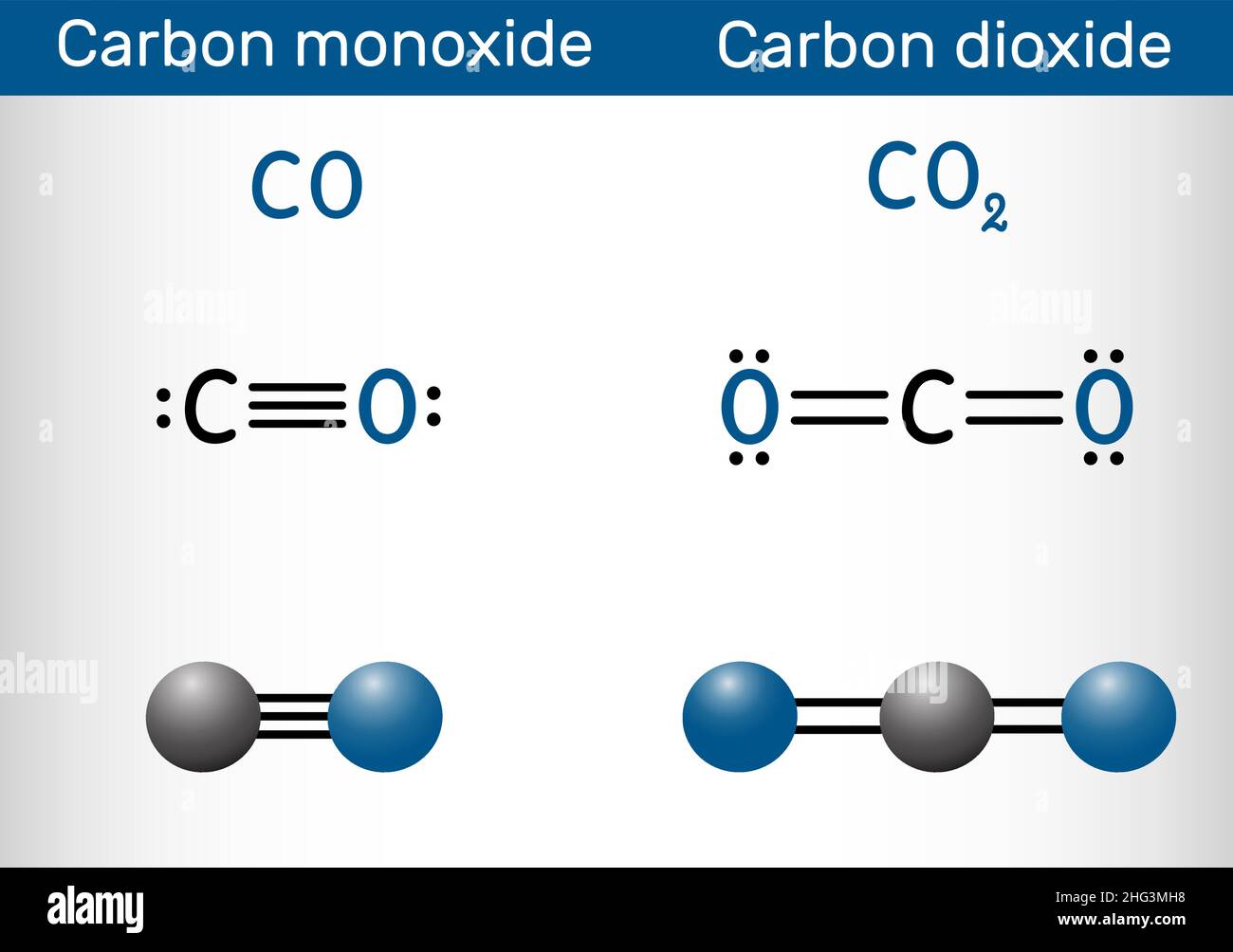
Carbon Monoxide Structural Formula Molecular Structure Of CO2 (Carbon
2,700+ Carbon Monoxide Stock Photos, Pictures & Royalty-Free Images
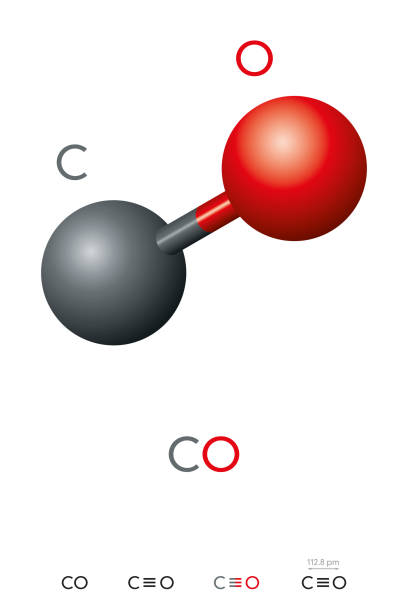
2,700+ Carbon Monoxide Stock Photos, Pictures & Royalty-Free Images ...
Carbon Monoxide Bonding
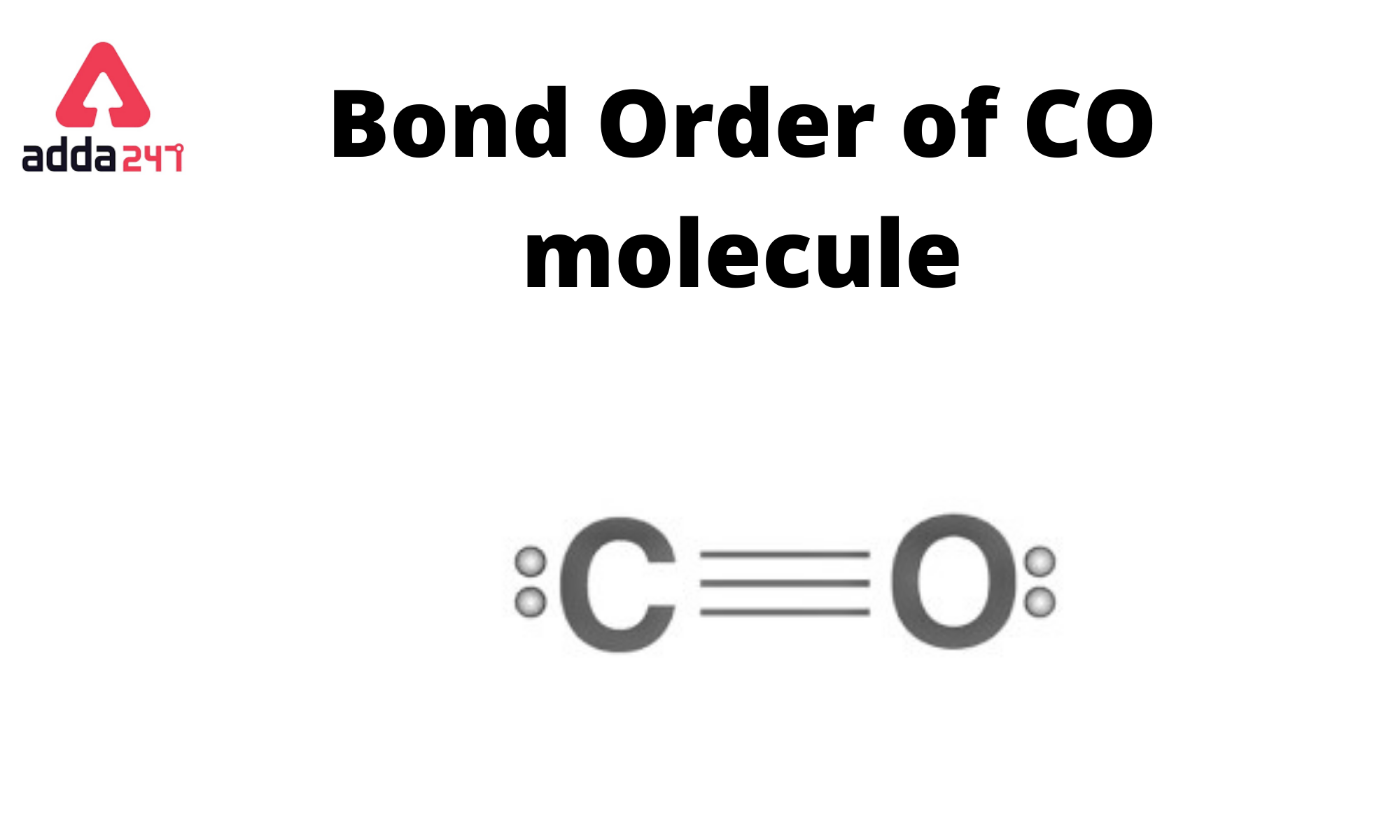
Carbon Monoxide Bonding
Carbon Monoxide Model
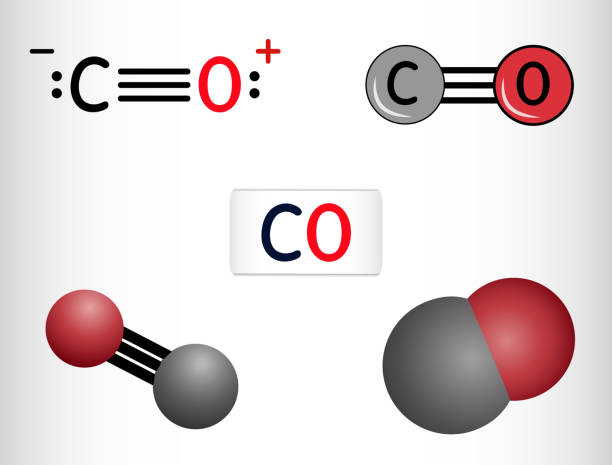
Carbon Monoxide Model