The University of Delaware’s academic calendar is more than a timetable; it’s a scaffold designed to help students balance coursework, extracurriculars, and personal development. By structuring semesters, breaks, and key milestones, the university creates a rhythm that encourages continuous learning and self‑reflection.
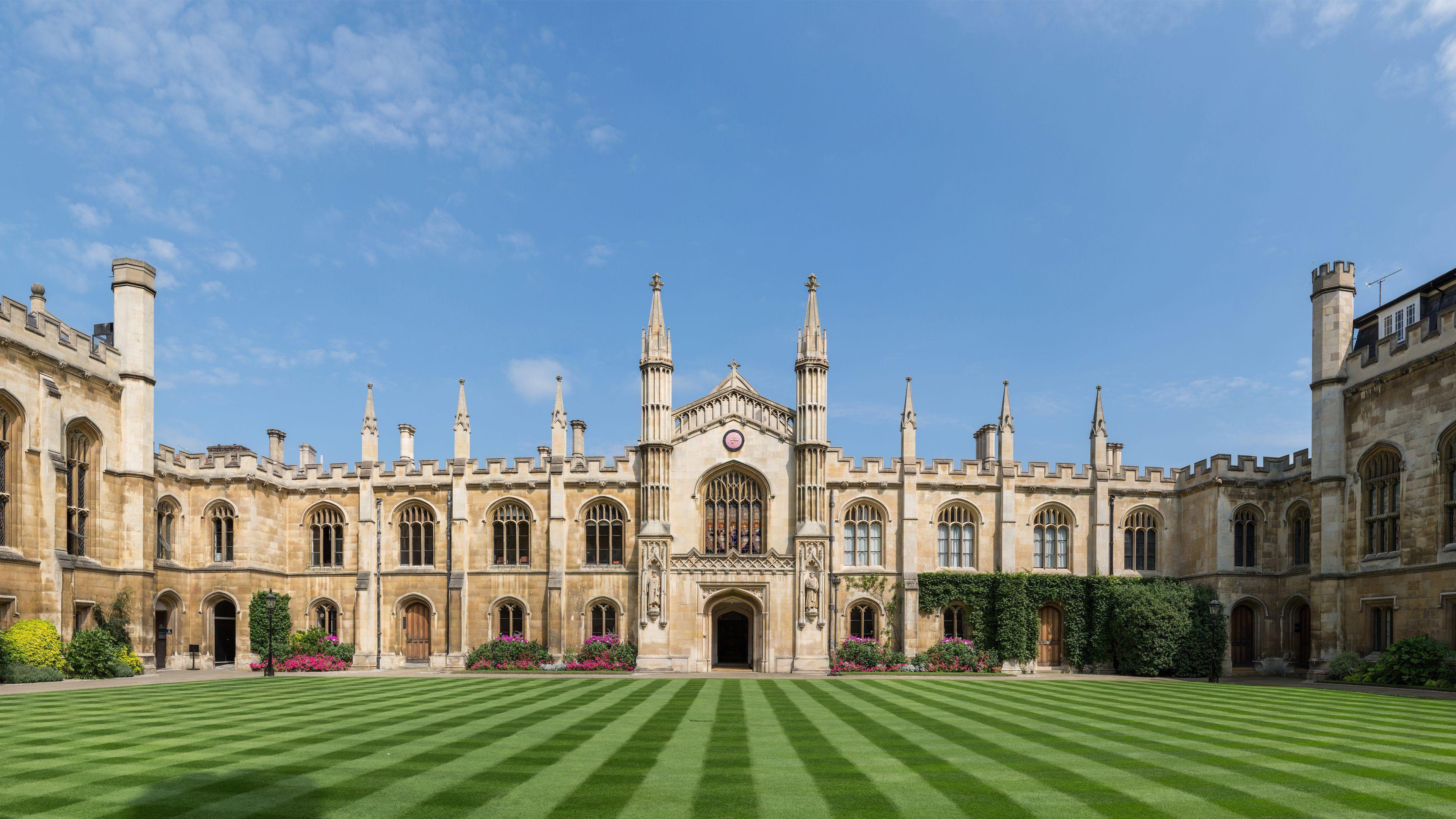
1. Structured Flexibility for Exploration
U Del offers a traditional two‑semester system plus optional spring and summer terms. This setup lets students experiment with electives or minor concentrations without extending their degree length. For example, a junior chemistry major might enroll in a data‑analysis class during the summer to build a skill set that enhances research projects.
- Actionable tip: Use the summer term to complete a capstone project or internship that ties directly into your major.
- Caution: Summer courses often run at a faster pace, so plan for increased workload and manage time efficiently.
2. Integrated Milestones for Academic Momentum
Key dates—such as registration windows, midterm deadlines, and graduation petitions—are highlighted throughout the calendar. These markers create a sense of forward motion, reducing procrastination and encouraging consistent progress.
- Actionable tip: Set a personal deadline a week before the official midterm date to allow buffer time for revisions.
- Caution: Over‑relying on automatic deadlines can lead to last‑minute cramming; use them as reminders, not the only check‑in point.
3. Seamless Integration of Support Services
Academic counseling, tutoring centers, and mental‑health resources are scheduled in alignment with the calendar. Advisers meet before registration, tutoring slots open after midterms, and counseling appointments are available during the break periods.
- Actionable tip: Schedule an academic advising session as soon as the first registration period opens to secure spots in required classes.
- Caution: Some resources have limited capacity; book appointments early to avoid missing out.
4. Campus Life and Personal Growth
The calendar also charts extracurricular events—club fairs, speaker series, and volunteer drives—ensuring students can weave learning beyond the classroom. A balanced schedule of sports, arts, and community service contributes to a well‑rounded university experience.
- Actionable tip: Join a club that complements your major, such as a debate society for political science majors, to practice public speaking skills.
- Caution: Overcommitting to activities can dilute focus; prioritize those that offer clear personal or professional benefits.
5. Pathway to Graduation and Career Readiness
By mapping prerequisite sequences and offering dual‑degree options, the calendar reduces the risk of course conflicts. Students can track their progress toward graduation with visual tools available on the university’s portal.
- Actionable tip: Use the graduation planning wizard each semester to verify that you’re on track for a timely degree completion.
- Caution: A late‑semester enrollment in a required course can delay graduation; maintain open communication with advisers to avoid surprises.
6. The Bottom Line: A Dynamic Framework for Success
U Del’s academic calendar is intentionally designed to balance structure with adaptability. It guides students through coursework milestones while opening doors to exploration and personal growth. By leveraging these built‑in supports and planning proactively, students can transform the academic year into a series of intentional steps toward both educational achievement and lifelong learning.
Harvard University Inside

Harvard University Inside
University Wallpapers - Top Free University Backgrounds - WallpaperAccess
University Wallpapers - Top Free University Backgrounds - WallpaperAccess
ケンブリッジ大学、ケンブリッジ – チケット&ツアーの予約 | GetYourGuide
ケンブリッジ大学、ケンブリッジ – チケット&ツアーの予約 | GetYourGuide
Cambridge University Wallpapers - Top Free Cambridge University
Cambridge University Wallpapers - Top Free Cambridge University ...